
Paradise Road
Subjecting the Audience to Torture
I usually write my reviews moments after a movie ends; at the very worst, as soon as I get home from the theater.
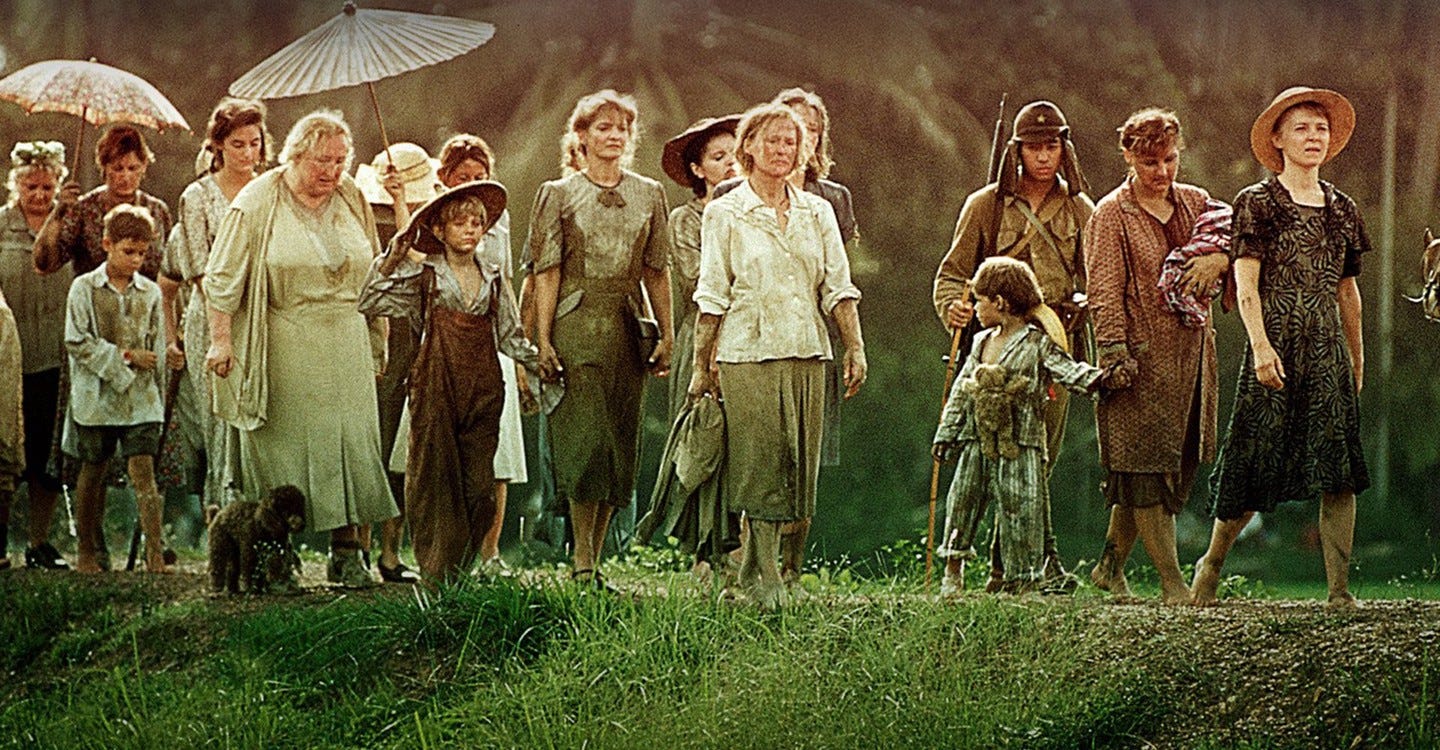
I took an extra day to let this roll around in my mind, because I really, really wanted to think about how to describe how much I disliked it. While the cast looks like an impeccable murderer’s row, you’d be forgiven for not noticing as the opening credits continue that every single role of any authorial intent - writer, directot, DP, Production Design, score, effects - it’s all men. Is that why Paradise Road failed? I’m not saying that, but it certainly doesn’t help that this women’s story is told 100% from the lens and pages of a man.
Next we have to talk about this sort of movie. The Bridge on the River Kwai is the easiest comp, but there’s been plenty of “Women in Prison” movies that have mined the same relationships and pinballing alliances as this to draw from.
What makes Paradise Road sting, though, is how lifeless it feels. It’s so, so overlong, takes forever to get moving and then its central story of ‘heroic triumph and finding hope in your despair’ barely comes across. There’s only two scenes of band practice and one-and-a-half of the performances themselves. Most of this is bickering and torture (of the girls) and thus torture for the audience by proxy.
Part of it is there are just way too many characters, each with their own stories, but rarely do these stories amount to anything. At a certain point, one character - her story told to another inmate - just fuckin’ dies for no illness or reason, as she is of no further narrative use to the director’s story.
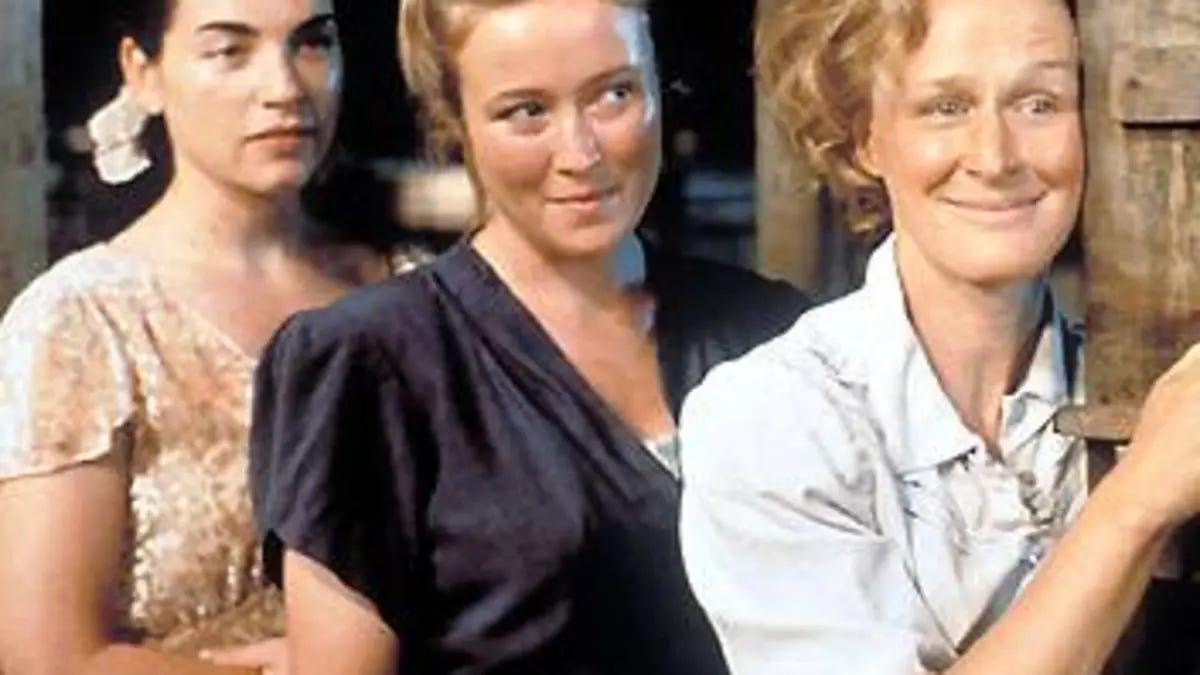
There’s also usually an element of communication, of softening between the guards/warden and the inmates, due to familiarity and the leader convincing the warden that allowing a sing-along once in a while will stop their defiance. But the guards have total physical control, unlimited cruelty to the very end, and no reason to fear defiance in the first place. Keeping them un-subtitled further otherizes and prevents them from being anything more than tormentors with no interiority.
Adding in several characters who are morally repugnant who never change or improve, nor really suffer any consequences for their deeds, makes the matter of life or death in the prison camp a matter of capricious fate, rather than reinforming the healing power of music or companionship.
And it’s all so languorous!
Yes, the move to the second, worse camp probably happened in real life, which informed the choice to do it in the film, but a smarter writer would have understood that they were already taking multiple liberties and lean in to the “based on” part of “based on true events” and keep us in the main camp, where we understood the geography and the situation rather than give us a bizarre train-ride to a bombed-out town for the last act, when nothing really changed about their conditions, just the location.
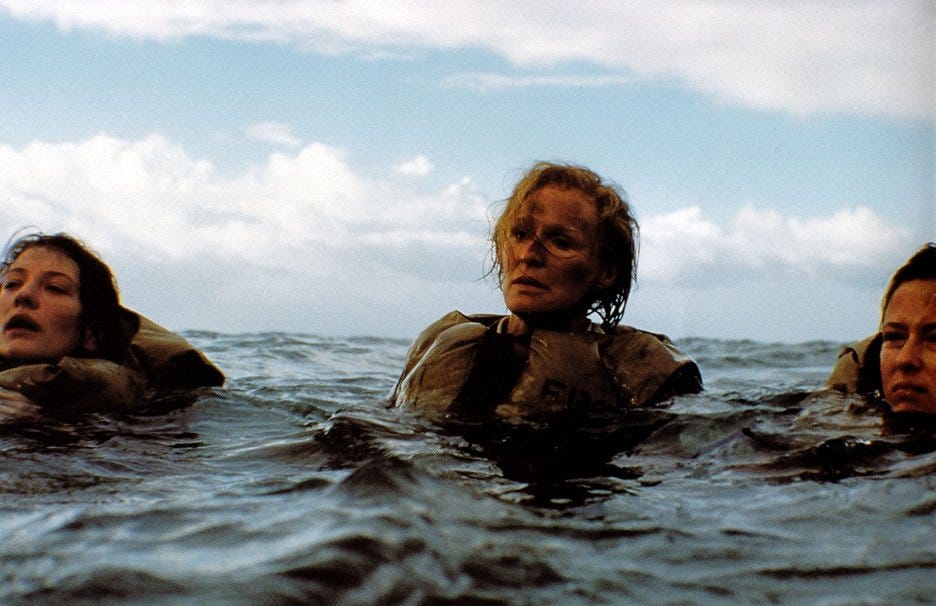
Never checking in on those that chose to become ‘Comfort Women’ seems like a choice, too. That women who voluntarily surrender their sanctity for security are somehow as good as dead, completely written-out is certainly a choice, though again one I’ll guarantee a woman writer and director would have wrestled with a lot more.
Oh, and they prominently, repeatedly show and even comment specificially on the appearance of the Japanese flag... while using the wrong one the entire movie.
I haven’t watched it yet… and now I want to watch it even less 😩